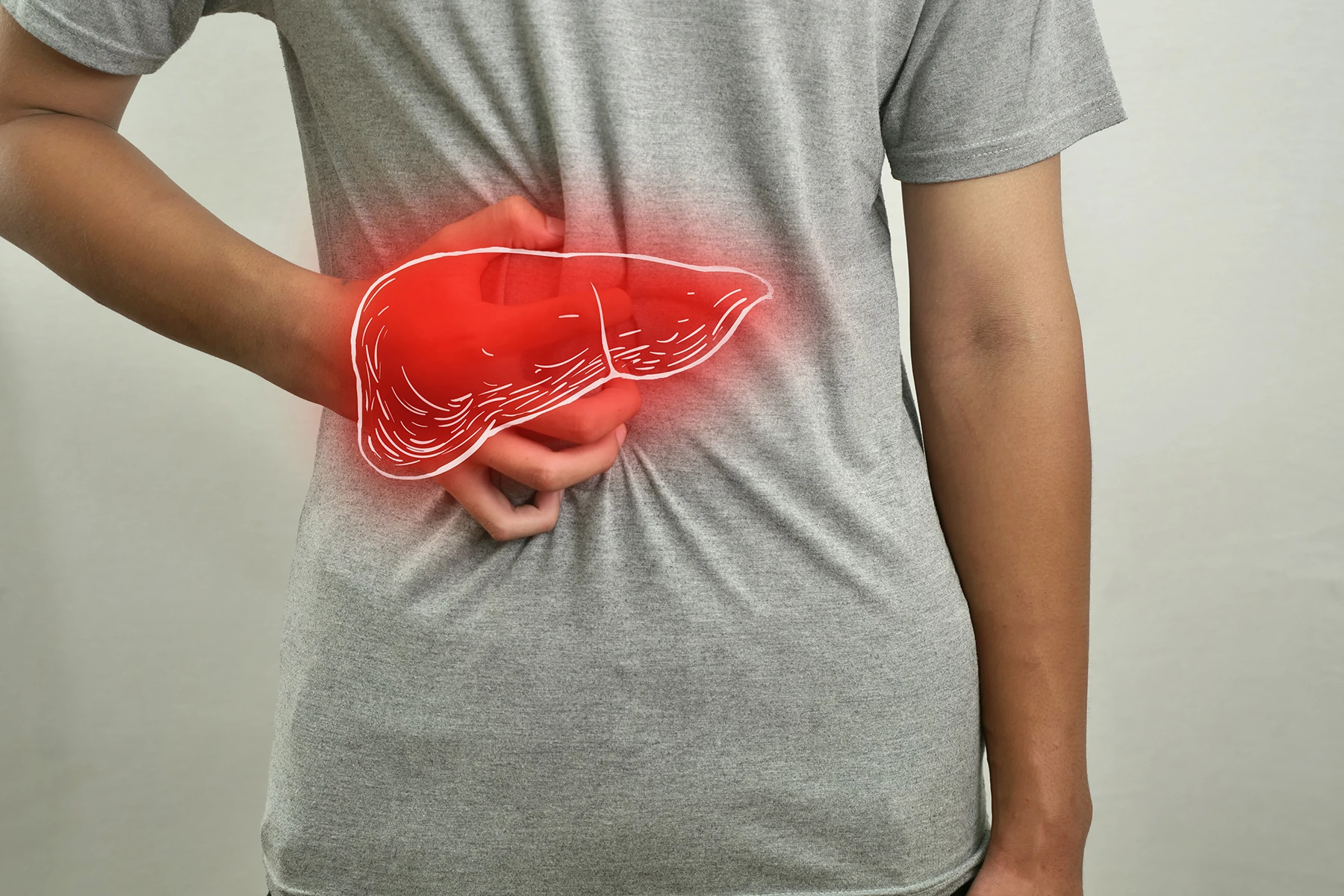
MASH Liver Disease: The Dangerous Evolution of Fatty Liver
In the landscape of liver health, few conditions present as silent yet perilous a threat as Metabolic Dysfunction–Associated Steatohepatitis, or MASH liver disease. Often starting as a seemingly benign accumulation of fat in the liver, this condition represents a critical turning point where simple fatty liver disease transforms into an actively destructive process. For anyone asking what is MASH liver disease, it's crucial to understand it as more than just fat; it's a dangerous inflammatory state that progressively damages liver cells, leading to severe and often irreversible consequences.
MASH is not merely a consequence of poor diet in isolation; it's intricately linked to underlying metabolic problems such as insulin resistance and type 2 diabetes. While its early stages may present no noticeable symptoms, MASH has emerged as a rapidly growing concern globally, becoming a leading cause of advanced liver disease and liver transplantation. Understanding its origins, progression, and potential impact is vital for timely intervention and preserving liver health.
Understanding the Spectrum: From MASLD to MASH Liver Disease
To truly grasp what is MASH liver disease, we first need to understand its broader context within Metabolic Dysfunction–Associated Steatotic Liver Disease (MASLD). MASLD is the umbrella term for a liver that has accumulated excess fat due to metabolic issues. The "steatotic" in MASLD simply means fat-filled, indicating a liver holding more fat than it should because of a disrupted metabolism.
You are considered to have MASLD if you have fat in your liver (hepatic steatosis) and at least one cardiometabolic risk factor. These risk factors are common in modern society and include:
- Type 2 diabetes
- Insulin resistance
- High blood pressure (hypertension)
- Elevated triglycerides
- Low HDL ("good") cholesterol
- Obesity or overweight
- High HbA1c (a marker for long-term blood sugar levels)
Within this spectrum, MASH liver disease stands out as the particularly hazardous subset. While MASLD indicates fat accumulation, MASH signifies that this fat has triggered significant inflammation that is actively damaging liver cells. The "steatohepatitis" in MASH literally means fat (steato) in the liver plus inflammation (hepatitis).
The key distinction is crucial: many individuals with simple MASLD might live their entire lives with a fatty but functional liver without progression. However, for the 20-30% of MASLD patients who develop MASH liver disease, the risk profile changes dramatically. Here, the inflammation becomes chronic, liver cells begin to die, and the stage is set for progressive scarring, cirrhosis, and potentially liver failure if the underlying issues are not addressed.
The Mechanics Behind the Mayhem: Why MASH Attacks Your Liver
The journey from a healthy liver to one battling MASH is a complex interplay of metabolic dysfunction and immune response. It begins with the body's inability to properly process sugars and fats, predominantly driven by insulin resistance.
Insulin Resistance: The Root Cause
When cells become resistant to insulin's signals, glucose and fat accumulate in the bloodstream. The liver, attempting to help, takes in this excess fat for storage. While the liver *can* store some fat, it's not designed for long-term, extensive fat accumulation like adipose tissue. When fat overwhelms liver cells, it initiates a cascade of damaging events. This over-storage of fat creates an environment where liver cells become "sick."
Oxidative Stress and Immune Response
Once fat overwhelms the liver cells, they experience oxidative stress, where harmful free radicals damage cell membranes and even DNA. The liver's natural antioxidant systems become overloaded, unable to keep up with the detoxification. This cellular distress signals the body's immune system. White blood cells are recruited to the liver tissue, intending to clear out the damaged cells and cellular debris. They release inflammatory molecules like cytokines and chemokines, further fueling the inflammation.
Chronic Inflammation: The Vicious Cycle
In a healthy response, inflammation is temporary and resolves once the threat is gone. However, in MASH liver disease, the metabolic problems (e.g., ongoing insulin resistance and fat deposition) persist. New fat continues to arrive, and new cells keep getting damaged. This means the immune system's attack never truly stops, leading to a state of chronic inflammation. This persistent inflammation becomes destructive, causing liver cells to die faster than they can regenerate. As the liver attempts to repair itself, it replaces the dead cells with non-functional scar tissue, primarily made of collagen fibers. This process is known as fibrosis.
A liver biopsy in a MASH patient would typically reveal characteristic features: "ballooned" liver cells (swollen due to fat and damage), clusters of immune cells, and varying degrees of early scarring (fibrosis). As fibrosis spreads, it distorts the liver's architecture, impeding its crucial functions and blood flow. To delve deeper into this cellular battle, explore From Metabolic Dysfunction to MASH: How Your Liver Is Attacked.
Recognizing the Red Flags: Symptoms and Diagnosis of MASH
One of the most challenging aspects of MASH liver disease is its insidious, often asymptomatic, nature in its early stages. Many individuals may have significant liver damage without any outward signs, making early detection difficult.
The Silent Threat: Early MASH
In its initial phases, MASH typically does not cause noticeable symptoms. This "silent" characteristic means that the disease can progress stealthily for years, often only discovered incidentally during routine blood tests that show elevated liver enzymes (like ALT and AST).
Later Symptoms of Progression
As the disease advances and significant scarring (fibrosis) or cirrhosis develops, symptoms may begin to appear. These can include:
- Persistent fatigue or weakness
- A dull ache or discomfort in the upper right abdomen
- Unexplained weight loss
- Jaundice (yellowing of the skin and eyes)
- Swelling in the legs (edema) or abdomen (ascites)
- Easy bruising or bleeding
- Dark urine or pale stools
It's important to note that many of these symptoms are indicative of advanced liver disease or cirrhosis, highlighting the urgent need for early diagnosis before extensive damage occurs.
Who is at Risk?
Given its strong link to metabolic dysfunction, individuals with the following conditions have a significantly higher chance of developing MASH:
- Obesity or overweight
- Type 2 diabetes or pre-diabetes
- High blood pressure
- High cholesterol or high triglycerides (dyslipidemia)
- Metabolic Syndrome (a cluster of these conditions)
Diagnostic Journey
Diagnosing MASH often involves a multi-step approach:
- Blood Tests: Elevated liver enzymes (ALT, AST) are often the first clue. Other blood tests can assess liver function and rule out other causes of liver disease.
- Imaging Studies: Ultrasound, CT scans, or MRI can detect fat in the liver (steatosis) and sometimes suggest signs of inflammation or scarring. Specialized MRI techniques (like MRI-PDFF) can quantify liver fat.
- FibroScan (Transient Elastography): This non-invasive test measures liver stiffness, which correlates with the degree of fibrosis (scarring).
- Liver Biopsy: Considered the gold standard for confirming MASH and staging the extent of fibrosis. A small sample of liver tissue is examined under a microscope for characteristic features like ballooning of liver cells, inflammation, and scar tissue.
If you have any metabolic risk factors, discussing regular liver health screenings with your doctor is a crucial proactive step.
The Grave Consequences: Cirrhosis, Liver Failure, and Beyond
The progression of MASH liver disease, if left unchecked, can lead to severe and life-threatening conditions, marking it as a truly dangerous evolution of fatty liver. The chronic inflammation and relentless scarring eventually take an irreversible toll.
From Fibrosis to Cirrhosis
As fibrosis (scarring) spreads throughout the liver, it stiffens the organ and disrupts its intricate structure. When this scarring becomes extensive and irreversible, leading to widespread distortion of the liver's architecture, the condition is known as cirrhosis. Cirrhosis is the final common pathway for many chronic liver diseases, and MASH is increasingly recognized as a major driver.
Once cirrhosis develops, the liver's ability to perform its over 500 vital functions—such as detoxifying the blood, producing proteins, and aiding digestion—becomes severely compromised. Blood flow through the liver is impaired, leading to a condition called portal hypertension.
Complications of Cirrhosis
Cirrhosis can lead to a host of debilitating complications:
- Ascites: Fluid accumulation in the abdomen.
- Varices: Enlarged, fragile veins in the esophagus or stomach that can bleed profusely.
- Hepatic Encephalopathy: A decline in brain function due to the liver's inability to remove toxins from the blood.
- Liver Cancer (Hepatocellular Carcinoma): Cirrhosis significantly increases the risk of developing liver cancer.
- Liver Failure: The complete inability of the liver to function, ultimately requiring a liver transplant.
The statistics paint a stark picture: 20-30% of individuals with MASLD will develop MASH liver disease, and a significant percentage of MASH patients will progress to cirrhosis. Globally, MASH is estimated to affect 3–6% of the population, but its prevalence may be underestimated. In the United States, MASH has alarmingly become the fastest-growing indication for liver transplantation, particularly among older adults. This highlights its role as a silent epidemic and a leading cause of advanced liver disease. For more on this critical issue, read MASH Liver Disease: A Silent Epidemic and Leading Cause of Liver Failure.
Taking Control: Management and Emerging Treatments for MASH
While the prospect of MASH liver disease can be daunting, the good news is that its progression can often be halted or even reversed, especially in earlier stages, through proactive management. The cornerstone of MASH treatment revolves around addressing the underlying metabolic dysfunction.
Lifestyle Interventions: Your First Line of Defense
The most powerful tools against MASH are lifestyle modifications:
- Weight Loss: Losing even a modest amount of weight (5-10% of body weight) can significantly reduce liver fat, inflammation, and fibrosis.
- Dietary Changes:
- Reduce Processed Foods: Limit foods high in refined sugars, unhealthy fats (saturated and trans fats), and excessive carbohydrates.
- Embrace Whole Foods: Focus on a balanced diet rich in fruits, vegetables, lean proteins, and whole grains. The Mediterranean diet is often recommended for its anti-inflammatory benefits.
- Limit Sugary Beverages: Soft drinks, fruit juices with added sugar, and energy drinks contribute significantly to liver fat.
- Regular Physical Activity: Aim for at least 150 minutes of moderate-intensity aerobic exercise per week. Exercise improves insulin sensitivity, helps with weight management, and directly reduces liver fat.
- Managing Metabolic Conditions: Work closely with your doctor to effectively manage conditions like type 2 diabetes, high blood pressure, and high cholesterol. This often involves medication in addition to lifestyle changes.
- Avoid Alcohol: While MASH is distinct from alcohol-related liver disease, alcohol can further damage a MASH-affected liver and should be avoided or consumed minimally.
Emerging Pharmacological Approaches
Currently, there is no single FDA-approved medication specifically for MASH. However, the field of drug development is highly active, with several promising therapies in clinical trials. These include drugs targeting various pathways involved in liver inflammation and fibrosis, such as GLP-1 receptor agonists, FXR agonists, and PPAR agonists. For now, medications are primarily used to manage the associated metabolic conditions, which indirectly benefit the liver by improving overall metabolic health.
The future holds significant hope for new therapeutic options, but for today, the most effective "treatment" remains a dedicated commitment to a healthy lifestyle. Regular check-ups and open communication with your healthcare provider are essential for monitoring your liver health and tailoring a management plan that's right for you.
Understanding what is MASH liver disease is the first step toward safeguarding your liver and overall health. It's a progressive and potentially life-threatening condition born from metabolic dysfunction, evolving from simple fat accumulation to dangerous inflammation and scarring. While its silent nature makes it a formidable foe, proactive lifestyle changes and diligent management of underlying metabolic conditions offer the best defense. By taking control of your health, you can significantly reduce your risk of MASH progression and protect your liver from this dangerous evolution of fatty liver disease.